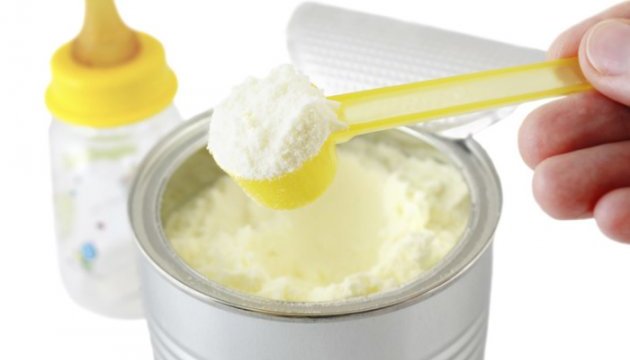

Infant formula safety has gained renewed attention after a recent botulism outbreak in the United States, which led to a nationwide recall and highlighted the importance of strict quality control. Clostridium botulinum, though rare, poses a severe risk due to toxins produced in an infant’s gut, causing symptoms such as muscle weakness and respiratory problems.
Well-known pathogens in infant formula include Cronobacter sakazakii, Enterobacteriaceae, and Salmonella. EU Regulation (EC) No. 2073/2005 and US requirements mandate their absence in finished products. In addition to microbial safety, vitamin composition is tightly regulated, as incorrect formulations have previously caused recalls. The FDA specifies minimum levels for 30 nutrients and maximum limits for 10.
Lactoferrin, a protein naturally present in breast milk, supports the infant immune system through antimicrobial, antiviral, and antioxidant properties. Since EFSA approved bovine lactoferrin as a novel food ingredient in 2012, its use in infant formula has increased significantly.
To address these risks, R-Biopharm offers advanced testing solutions. The SureFast® Clostridium botulinum Screening PLUS real-time PCR kit detects botulinum neurotoxin genes (types A, B, E, and F):
https://food.r-biopharm.com/products/surefast-clostridium-botulinum-screening-plus-2/
The SureFast® Enterobacteriaceae 4plex qPCR kit enables simultaneous detection of Enterobacteriaceae, Cronobacter, and Salmonella in infant formula:
https://food.r-biopharm.com/products/surefast-enterobacteriaceae-4plex/
Vitamin levels can be accurately monitored using specialized test kits:
https://food.r-biopharm.com/analytes/vitamins/
For lactoferrin control, EuroProxima’s Lactoferrin FAST ELISA allows rapid and solvent-free testing of bovine lactoferrin in baby milk powder:
https://food.r-biopharm.com/products/easi-bind-lactoferrin/
https://food.r-biopharm.com/products/europroxima-lactoferrin-fast/
The recent outbreak underscores that infant formula remains a high-risk product category, requiring strict microbiological standards, regulatory compliance, and innovative testing to ensure safe and nutritious food for infants worldwide.